
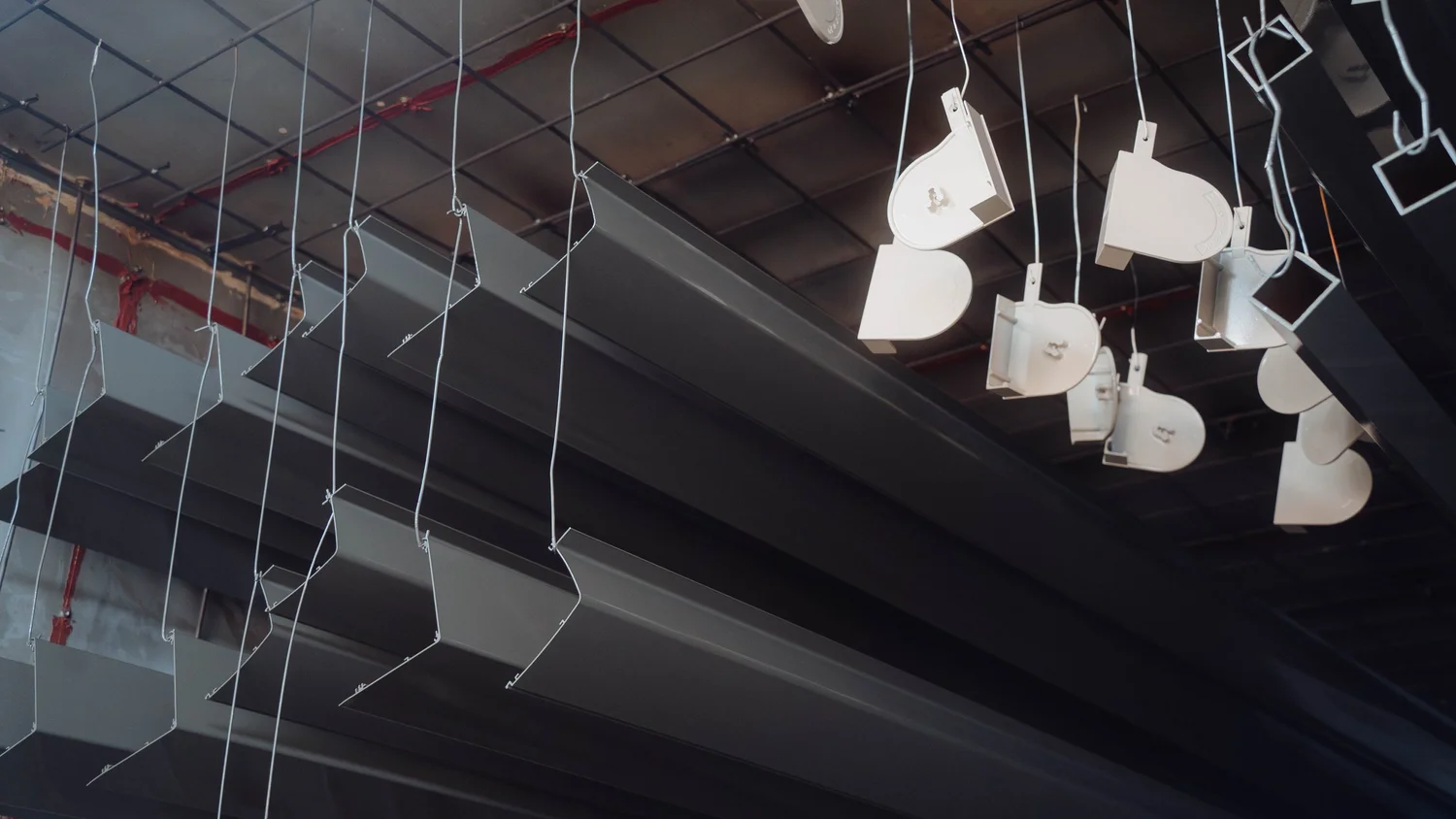
Window Flashings NZ — Head Flashing, Sill & Jamb Profiles in Auckland
Window head flashing, sill flashing, and jamb profiles — custom made and powder coated in Auckland. Preventing water ingress around window and door openings across NZ.
Get A Free QuoteWhat Are Window Flashings?
Window flashings are formed metal profiles that seal the junction between a window or door frame and the surrounding wall cladding. In New Zealand's wet climate, water penetration around window openings is one of the leading causes of building envelope failure and structural damage. Correctly installed window flashings NZ intercept water at these vulnerable junctions before it can track behind the cladding.
A complete window flashing set consists of a window head flashing (above the opening), sill flashing (below the opening), and jamb flashings (at the sides). The head flashing is the most critical component — it deflects water running down the wall away from the top of the window frame, preventing it from entering the cavity behind the cladding. Each component is shaped to integrate with the specific cladding type and window frame profile being used.
At Coating Lab, we manufacture window and door flashings to order as part of our custom flashings Auckland service, in your choice of material and colour, folded to the exact dimensions of your openings.
Window Head Flashing NZ
The window head flashing is the single most important flashing in a window installation. It sits above the window opening and acts as the primary barrier against water tracking down the wall face and behind the window frame. A properly formed head flashing extends beyond the width of the opening, with end dams or returns to prevent water escaping at the sides.
We manufacture window head flashings NZ to suit all common cladding systems — weatherboard, brick veneer, panel systems, and fibre cement. If your project calls for a non-standard head flashing profile, bring us a drawing or sample and we will fold to match. Head flashings can be powder coated to match your window joinery colour or cladding for a clean, integrated finish.
Where Are Window Flashings Used?
- Above window and door openings — head flashings deflecting water away from the top of the frame
- Below window sills — sill flashings directing water out and away from the wall
- At vertical sides of openings — jamb flashings sealing the corners
- Around bi-fold and stacker door systems where cladding meets the door frame
- At garage door openings and large openings in commercial buildings
- On renovation projects where existing flashings are being replaced or upgraded
Materials Available
We manufacture window flashings in the following materials:
- Stainless Steel — superior corrosion resistance, ideal for coastal and high-moisture environments
- Galvanised Steel — traditional zinc-coated steel, widely used and durable
- Aluminium — lightweight with excellent corrosion resistance, popular for coastal locations and powder-coated joinery matching
- Colorsteel — pre-painted steel in standard roofing colours
Profile Options
We stock common profiles and can fabricate custom sizes to match your project requirements. All profiles can be made to drawing or sample. If you have architectural plans, we work from those dimensions. If you are matching existing flashings, bring a sample and we will replicate the profile.
Colour Options
Powder coating is available on all steel and aluminium flashings. Matching your flashing colour to your window joinery, door frames, or cladding creates a clean, integrated finish. Available colours include:
- Colorsteel colour range — Karaka, Ironsand, Ebony, Grey Friars, Sheerstone, Dune, Gull Grey, Thunder and others
- Resene colour matching
- Dulux colour matching
- Full RAL colour range
- Custom colour matching from a physical sample
Who Uses Window Flashings?
Our window flashing customers include:
- Builders — sourcing flashings for new builds and renovation projects where standard stock doesn't fit the opening dimensions
- Architects and designers — specifying colour-matched flashings to integrate with the building's cladding and joinery palette
- Homeowners — replacing failed or non-standard flashings on existing homes during re-clad projects or renovations
NZ Building Code Considerations
Flashings play a critical role in meeting the weathertightness requirements of the New Zealand Building Code. Window flashings in particular are critical under E2/AS1 — the acceptable solution for external moisture management. Always consult your building consent documentation for specific requirements. The profile, overlap, and sealing method must suit the cladding system being used. For a broader overview of flashing types and where they fit on a building, see our guide to flashings in NZ.
Related Flashings
Window flashings work alongside other flashing types to create a complete weathertight envelope:
- Apron Flashings — for roof-to-wall junctions where a roof meets a wall above
- Corner Flashings — for internal and external wall corner junctions
- Cover Flashings — for movement joints and abutments between different cladding types
- Roof Flashings — the broader category of weathertight junction profiles for roofs
Frequently Asked Questions
A head flashing sits above the window opening and deflects water away from the top of the frame. A sill flashing sits below the window opening and directs any water that gets behind the cladding out and away from the structure. Both are needed for a fully weathertight installation.
Yes. We can powder coat window flashings to any RAL colour, Resene colour, Dulux colour, or Colorsteel colour name to match your window joinery, cladding, or architectural specification.
Yes. We manufacture head, jamb, and sill flashings individually or as a set. Bring us your opening dimensions and we will fold them to fit.
Aluminium is a popular choice for window flashings due to its light weight and corrosion resistance, particularly in coastal areas. Galvanised steel and Colorsteel are also commonly used, and stainless steel is available for demanding environments. The right choice depends on your cladding type, environment, and finish requirements.
Yes. Because we manufacture to order, we can make flashings to suit any opening width. Contact us with your dimensions for a quote.
A window head flashing is a formed metal profile installed above the window opening that deflects water away from the top of the window frame. It is the most critical flashing in a window installation and is required under E2/AS1 of the New Zealand Building Code to prevent water ingress at window junctions. We manufacture window head flashings to suit all common NZ cladding systems.